 STV News
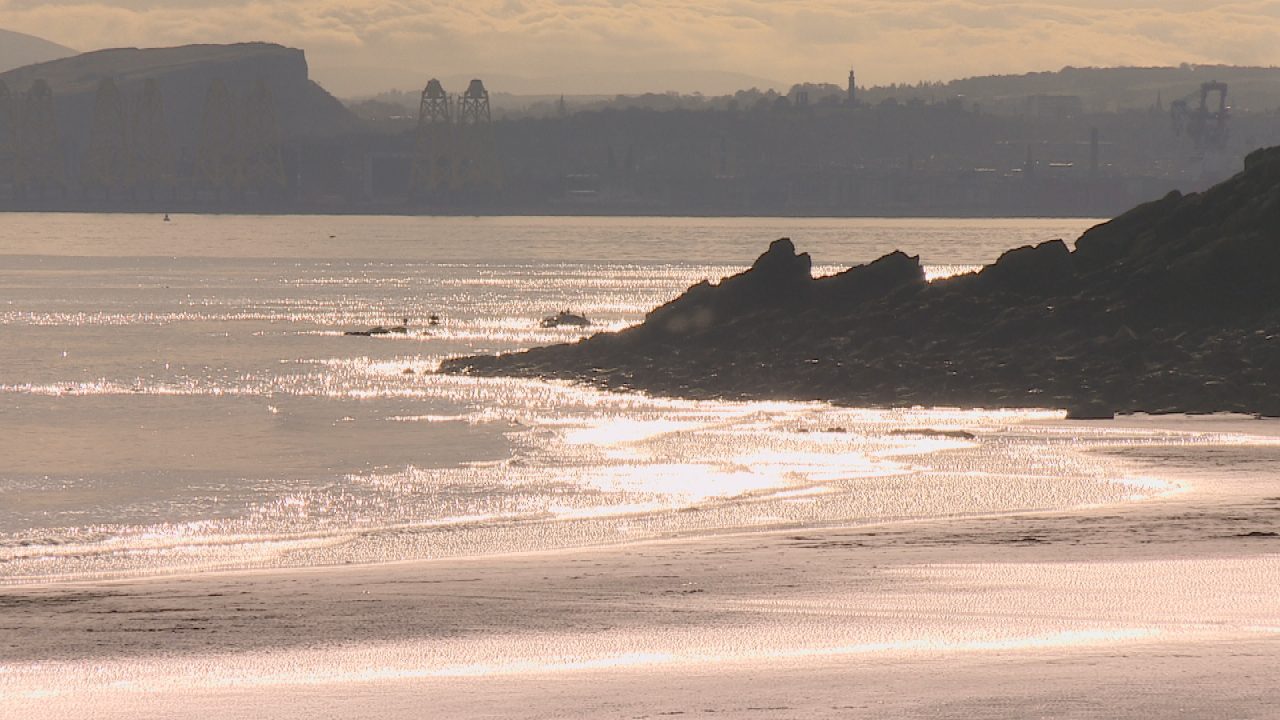
A Fife beach has lost its clean bathing water status due to contamination from a sewage leak.
Permanent advice against bathing is to be issued by the Scottish Environment Protection Agency (SEPA) after Kinghorn Beach received its fifth consecutive “poor” classification.
The site will remain de-designated until water quality improves.
SEPA has also issued a further regulatory notice requiring Scottish Water to continue investigations and improvement actions at the beach.
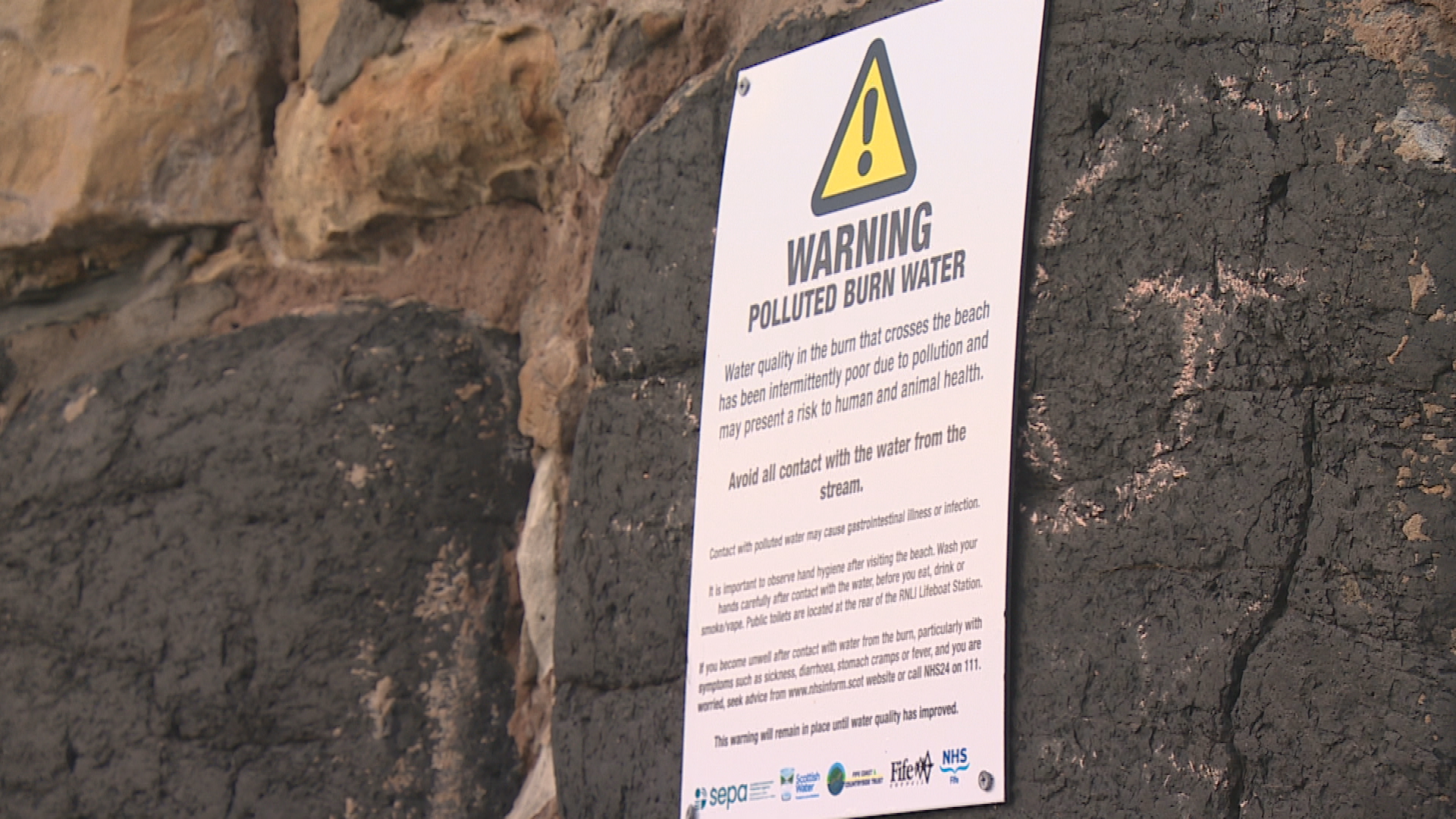
Swimmers were previously warned not to bathe at the beach, which sits along the Fife Coastal Path, after traces of E. coli were found in the water.
The sewage leak was first reported in 2016, but Scottish Water is yet to identify the cause.
Speaking to STV News earlier this month, Scottish Water chief executive Alex Plant said teams had surveyed around 2,000 metres using CCTV to understand where the contamination is coming from.
With sewer lines running for around 10 kilometres underneath the town, Mr Plant said Kinghorn presents a “fairly unique” challenge for Scottish Water.
 STV News
SEPA said that sewage pollution is an “important pressure” at some locations, but noted bathing water quality can be impacted by sources such as agricultural runoff, drainage systems, dogs and birds.
Three ‘poor’ bathing waters found
Across the country, 86 out of Scotland’s 90 bathing waters achieved either “excellent”, “good” or “sufficient” classification.
Along with Kinghorn beach, Fife’s Lower Largo, Dunbar in East Lothian, and Portobello in Edinburgh were rated as “poor”.
Dr Ruth Stidson, principal scientist for bathing waters at SEPA, said: “Most of Scotland’s bathing waters continue to meet the required standards, and that’s encouraging.
“But we know that for people who care about their local beach, the national picture isn’t the whole story.
“Where water quality isn’t good enough, people rightly want to understand why and what’s being done about it.
“Improving bathing water quality can be complex. Pollution doesn’t always come from one obvious source, and what works at one location won’t necessarily work somewhere else.
“That’s why our monitoring and scientific investigations are so important. They help us understand where pollution is coming from and ensure that evidence informs the action needed to make improvements.
“We’ve seen what sustained investment, effective regulation and partnership working can achieve, but we recognise that improvements don’t always happen as quickly as we’d like.
“Our ambition isn’t simply for bathing waters to meet the standard. We want to see more achieving Good and Excellent classifications, and we’re determined to keep working with our partners to deliver lasting improvements.”
Heavy rainfall can wash pollution from land and drainage systems into rivers, lochs and coastal waters, temporarily affecting water quality even at locations classified good or excellent.
SEPA advise people not to bathe during or for one to two days after heavy rainfall.
Climate Action and Rural Affairs secretary Gillian Martin said: “Protecting our bathing waters is vital for our coastal communities and our monitoring gives people the reassurance that they can safely enjoy these special places. I am pleased to see a large proportion of our bathing waters continue to meet the highest classification for bathing water quality, which is a credit to the work being done by SEPA.
“I want all sites to achieve the bathing water standards, and there is clearly more work to be done to achieve that. However, SEPA’s monitoring shows us where we need to amplify our efforts to achieve this; and we will continue to work with SEPA and Scottish Water to take appropriate actions to drive improvements in water quality.”
Follow STV News on WhatsApp
Scan the QR code on your mobile device for all the latest news from around the country