 Getty Images
Update: A federal judge postponed the trial on August 25, citing the discovery of new evidence that defence lawyers wish to examine. Read more.
Nearly 38 years after Pan Am Flight 103 was blown apart over Lockerbie, a man accused of building the bomb is going on trial before an American jury in Washington DC.
Prosecutors allege Abu Agila Mohammad Mas’ud was the bombmaker who built the device in a radio cassette player hidden inside a samsonite briefcase and jury selection in United States v. Abu Agila Mohammad Mas’ud Kheir Al-Marimi is due to begin on August 25 in the US District Court for the District of Columbia.
It will be the first time anyone has stood trial on US soil over the attack, which killed all 259 people on board, mostly Americans, as well as 11 on the ground in the Scottish town of Lockerbie.
What happened on December 21, 1988
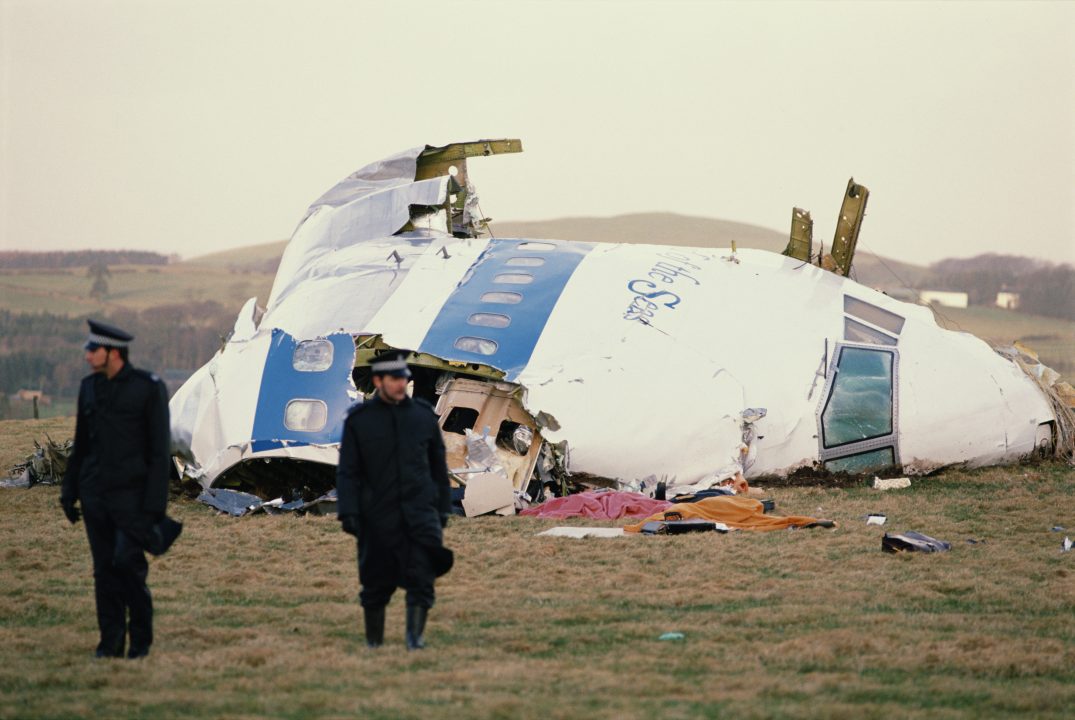
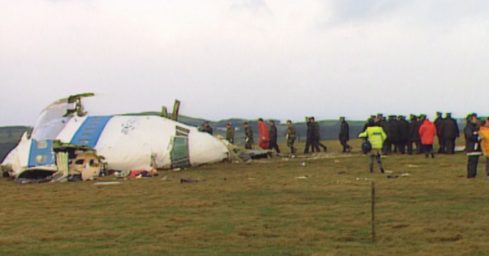
Pan Am Flight 103 was en route from London to New York when a bomb concealed in a suitcase detonated in the cargo hold, destroying the aircraft mid-air.
All 259 people on board were killed, along with 11 residents of Lockerbie who died when the wreckage fell on the town.
Of the 270 victims, 190 were American citizens, making it the deadliest terrorist attack against Americans until 9/11, and the deadliest terrorist attack in UK history.
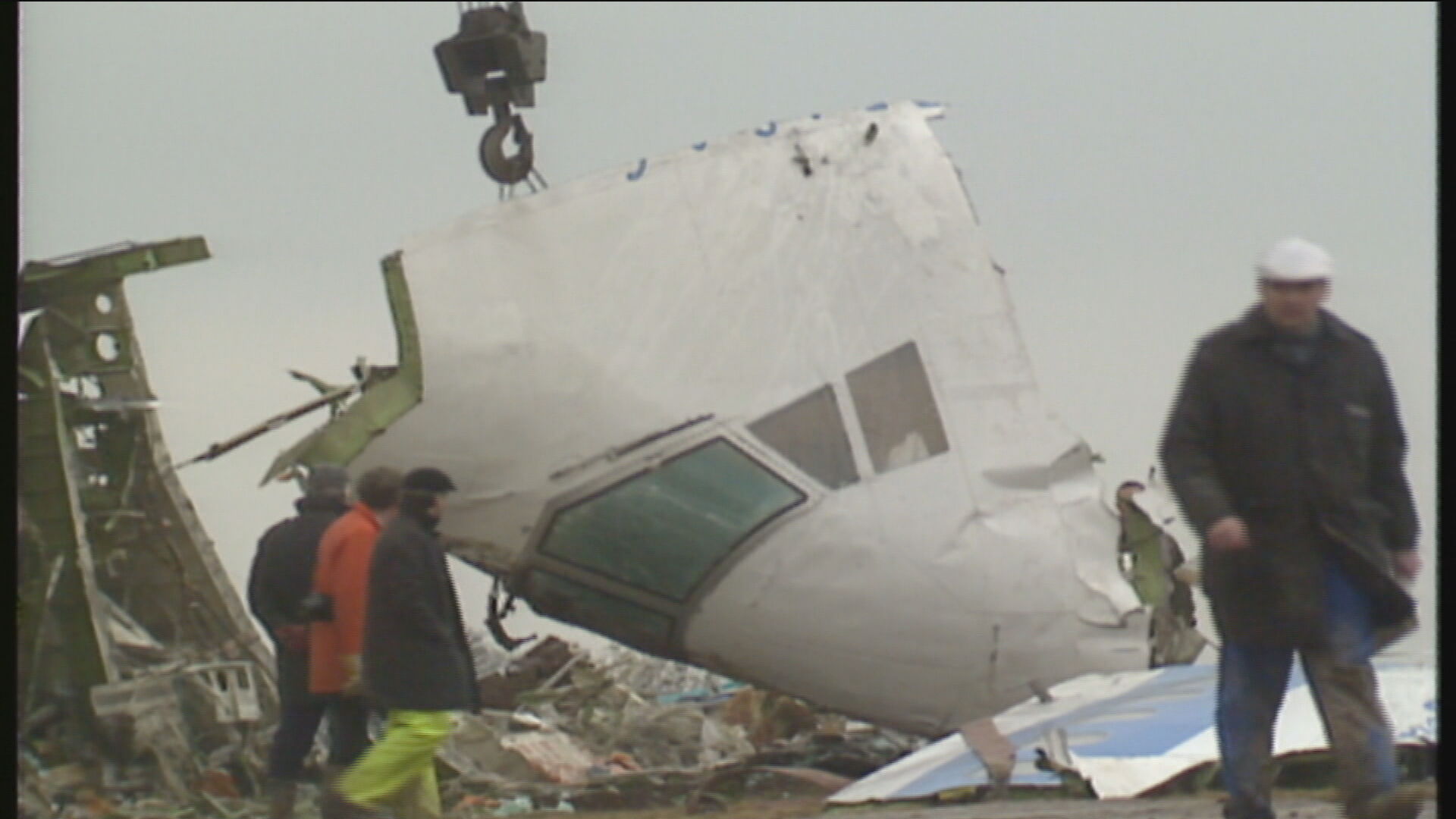
Investigators eventually traced the bomb to Libyan intelligence, working from fragments of the suitcase, timer and clothing scattered across the Scottish countryside, a forensic effort that took years and drew on evidence recovered from an area of roughly 845 square miles.
 STV News
Who has already been convicted
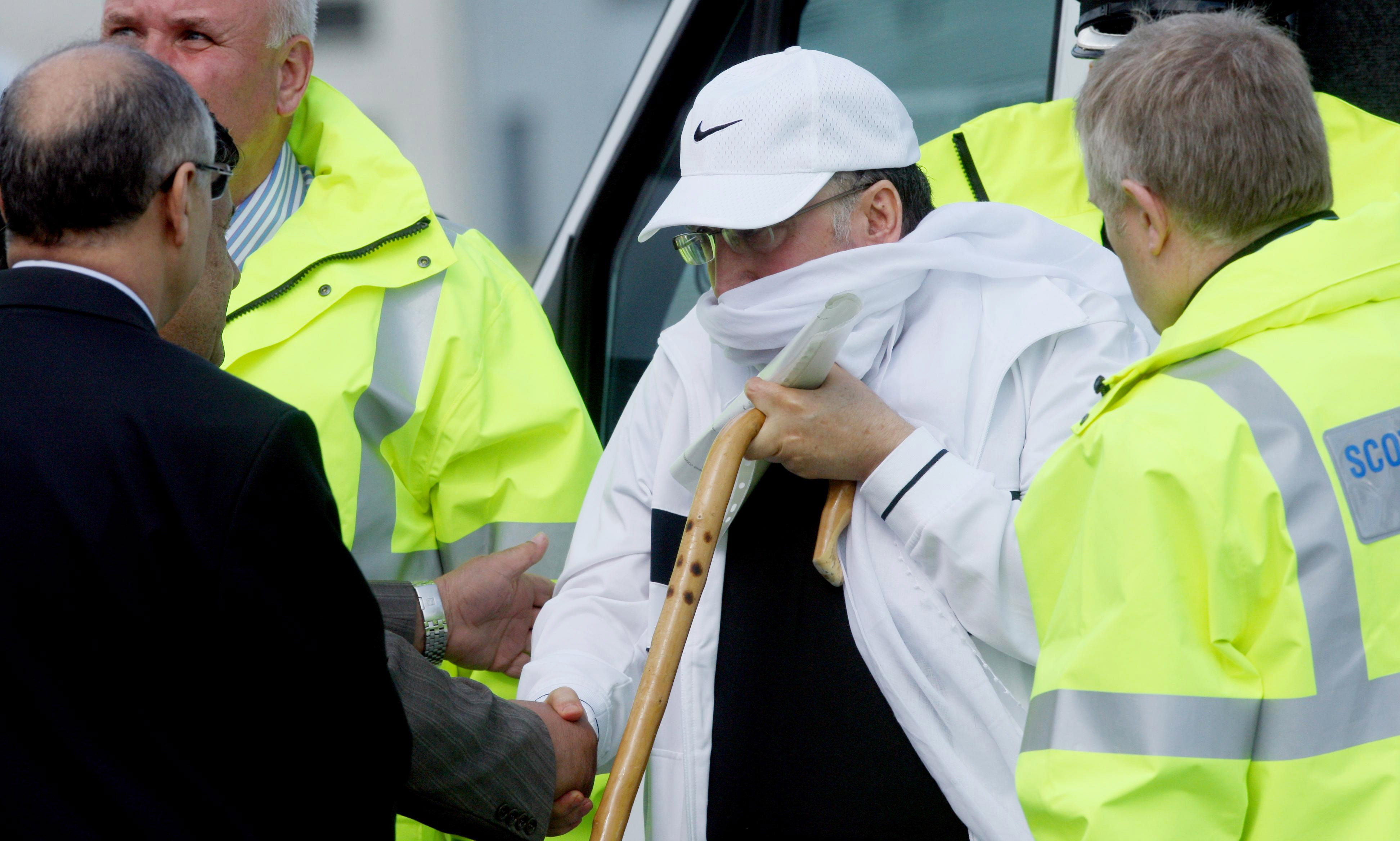
Only one person has ever been found guilty of the bombing.
Abdelbaset al-Megrahi, a former Libyan intelligence officer, was convicted in 2001 by a Scottish court sitting at Camp Zeist, a former U.S. military base near Utrecht in the Netherlands that temporarily became sovereign Scottish territory.
Megrahi’s co-accused, Lamin Fhimah, was acquitted.
Megrahi was released from a Scottish prison in 2009 on compassionate grounds after being diagnosed with terminal cancer and returned to Libya. He died in 2012, still protesting his innocence. In 2003, Libya formally accepted responsibility for its officials’ actions, though it never admitted Megrahi’s guilt directly.
That conviction never closed the case. Questions over the evidence, competing theories about who ultimately ordered the attack, and the involvement of only one convicted individual for an operation understood to have required a state intelligence apparatus have all persisted for decades.
 Getty Images
Who’s on trial now
The defendant is Abu Agila Mohammad Mas’ud Kheir Al-Marimi, generally referred to in court papers as Masud, a Libyan and Tunisian dual national, now a grandfather in his mid-seventies.
US prosecutors allege he was a longtime bomb-maker for Libya’s External Security Organisation and that he built and primed the device used against Flight 103, with a co-conspirator placing the suitcase onto the aircraft at Malta Airport.
Masud was first charged by the US in December 2020. He was taken into American custody in December 2022 and was reportedly removed from his home in Libya by an armed militia. He pleaded not guilty the following year to charges including destruction of an aircraft resulting in death.
 STV News
STV News
Why has the trial taken years to get to court
The case has been pushed back repeatedly.
An initial trial date scheduled for May 2025 was delayed after Masud’s lawyers said they needed more time to work through the evidence – reportedly 356 gigabytes of material across roughly 413,000 files, covering DNA, fingerprint, explosives, facial recognition and handwriting analysis.
A rescheduled date of April 2026 was also abandoned, partly over Masud’s health, before the trial was finally set for late August 2026.
The confession at the centre of the case
The most contested piece of evidence is a statement Masud is alleged to have given to a Libyan investigator in 2012, in which prosecutors say he admitted involvement in the bombing.
Masud’s defence argues that the statement was coerced and that he was held incommunicado and threatened or assaulted before speaking. The Libyan officer who conducted the interview disputes that account, telling US prosecutors the interrogation was voluntary and that he had never previously investigated a crime on this scale.
After extended pre-trial hearings, the presiding judge, Dabney L. Friedrich, ruled in early August 2026 that the alleged confession can be used as evidence at trial – a significant win for the prosecution going into jury selection.
What else is likely to come up
Pre-trial hearings have also focused on Pan Am’s own baggage-handling practices in 1988, including documentation suggesting unaccompanied luggage was still being loaded onto flights despite security rules requiring bags to travel with a passenger – evidence prosecutors are expected to use to explain how the device made it onto the aircraft undetected.
Because of intense public interest in the case, proposed jury instructions reportedly include a specific warning against jurors consulting online prediction and betting markets during the trial.
What a conviction would – and wouldn’t – mean
Masud is not accused of masterminding the operation, but of playing a critical technical role in constructing the bomb.
A conviction would make him only the second person ever held legally responsible for the attack, and the first to face justice in a US court. It would not, on its own, resolve the wider questions that have followed the case for decades about who else was involved in ordering and directing the operation.
For the families who have waited since 1988, the trial represents something rare in this case: a chance for evidence gathered over nearly four decades to finally be tested, cross-examined and argued over in open court, in front of a jury asked to reach a verdict.
Follow STV News on WhatsApp
Scan the QR code on your mobile device for all the latest news from around the country