 LDRS
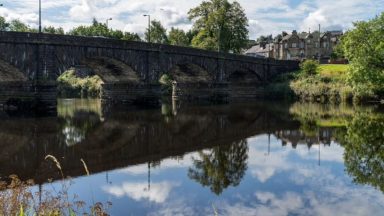
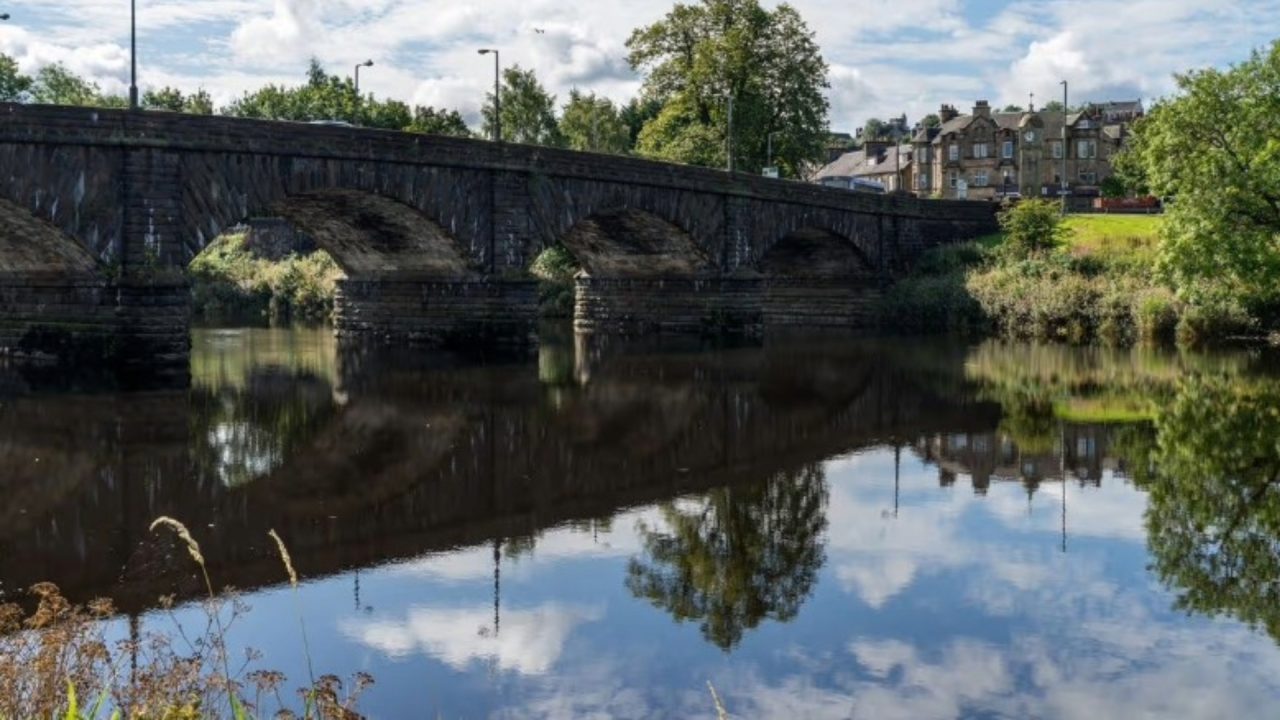
A nearly two-century-old bridge in Stirling is to undergo a refurbishment costing more than £5m, the Environment, Transport and Net Zero Committee agreed on Thursday.
Stevenson Bridge was constructed in 1832 by Robert Stevenson and is a Category B Listed structure within Bridgehaugh Conservation Area and River Teith Special Area of Conservation.
The works would extend the operational design lifespan of the structure by a further 120 years.
It is on the A9 arterial route into/out of Stirling city centre and is a principal link road for Hillfoots traffic, Bridge of Allan, and Stirling.
The strategic crossing over the River Forth plays an important role in supporting local connectivity and resilience.
It provides access for residents, businesses, agricultural vehicles, and emergency services, and forms part of a designated diversion route during incidents on the trunk road network.
The total estimated current value of the overall construction phase of the project is £5.3m at stage. The pre-construction period, due to complete in August 2027, will generate a more accurate design and construction cost estimate based on detail and complexity.
The budget for Stevenson Bridge Improvement Scheme for 2026-2027 is £756,055.
Costs associated with this contract will be met from Capital allocations in the five-year Capital Plan, with the full project cost expected to extend beyond 2027-2028.
Initial engagement with the SCAPE framework has resulted in a nine-month pre-construction period valued at £300,000.
All spend will be limited by the overall value of budget allocated in existing and forward Capital Programmes. Should further funding be required, this will be sought in line with the Council’s financial regulation processes.
As this contract is to be progressed on the basis of the NEC4 standard form, appropriate the council, as Roads Authority, is legally required to maintain Stevenson Bridge in a serviceable condition.
Maintenance and mitigation measures have ensured the bridge remains sale public use, the underlying condition issues now require a coordinated refurbishment to prevent further decline and avoid more intrusive and costly interventions in future years.
Preparatory works for a planned refurbishment initially commenced in 2005.
During this period, works undertaken included gas main removal and water main upgrade, quarry searches, testing for stone mineralogy compatibility and stone availability, as well as completion of a construction phasing study.
In 2014, the Council began compiling contract documentation, with the intention that the contract would be awarded through the SCAPE framework once funding had been allocated to the project budget. In 2016 the project was paused due to rising costs and other financial pressures, but in 2020-2021 a capital allocation was assigned.
As an interim measure to protect road users a vehicle restraint system was installed on the structure in September 2020, following successful completion of a temporary listed building consent. This temporary system still remains in place.
The last close range Principal Inspection of the structure was undertaken in autumn 2025.
The committee heard that design and delivery of on-site works would be delivered across multiple financial years and sequenced in consideration and coordination with the Council’s wider Capital Delivery Programme.
Design and delivery of onsite works would be delivered across multiple financial years and sequenced in consideration and coordination with council’s wider Capital Delivery Programme.
The refurbishment works will include new carriageway profiling and potentially a pedestrian footway, new parapets and new lighting, all of which will allow the refurbished bridge to meet the containment standards for safety. Completion of the refurbishment will also allow the current temporary vehicle restraint to be removed.
The physical refurbishment works would include a lengthy period of preparatory works, including quarrying and stone preparation. On-site would be limited as much as practicable and sequenced for minimal disruption
Full engagement with communities and businesses will take place pre-construction works through a series of meetings. Programme updates also be issued throughout the construction process.
The procurement of a specialist contractor will deliver high quality and effective construction that should maximise value for money and reduce commercial risk. Community benefits will be included in this procurement.
The contractor will be required to submit a method statement as part of their submission which will include but not be limited to: employment and recruitment; pro skills and training opportunities; supply chain development, and community engagement.
Follow STV News on WhatsApp
Scan the QR code on your mobile device for all the latest news from around the country