 Police Scotland
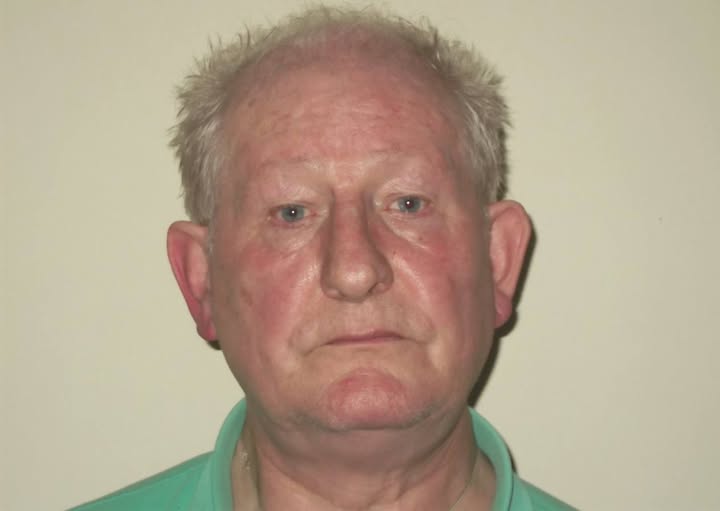
A sex offender died in prison after a security manager refused to let him be taken to hospital by ambulance crews, a fatal accident inquiry has found.
Sheriff Robert Edwards More said Joseph Glass’ death at HMP Glenochil could have been avoided if reasonable precautions had been taken during the medical emergency in May 2021.
The 71-year-old was jailed in 2018 after being found guilty of raping, assaulting and threatening three girls in Clackmannanshire between 1999 and 2004.
He was also convicted of lewd, indecent and libidinous practices and behaviour.
At the time, Detective Constable Ruth Thomson described Glass as a “predator”.
On May 14, 2021, Glass was found to be unwell and struggling to speak at the prison in Clackmannanshire.
At 8.40pm, the Scottish Ambulance Service (SAS) was called and within 20 minutes, a paramedic crew arrived at the prison. Paramedics indicated to prison staff that Glass needed to be taken to hospital, an assessment that was seconded by a doctor.
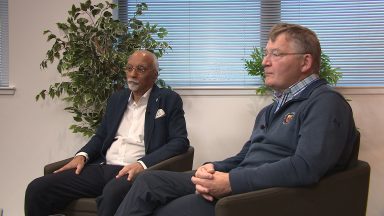
However, the security manager at HMP Glenochil, Paul O’Flaherty, refused permission and reportedly said that if Mr Glass was not dying, he was not going to hospital.
After the paramedics left, Mr O’Flaherty instructed guards to monitor the prisoner’s condition.
At 2.44am, SAS received a second call-out, arriving on scene at 4.22am to find Glass in an “unremarkable condition”. The crew left without transferring him to hospital.
At 7.20am, Glass became unresponsive and CPR was given. At 7.32am, SAS was called out again, with paramedics attending to Glass at 7.55am.
However, resuscitation attempts failed and Glass was pronounced dead at 8.15am on May 15, 2021. His cause of death was determined as an enlargement of the heart brought on by heart disease.
In examining the evidence, Sheriff More found that had Glass been taken to hospital the first time, staff would have been able to monitor him and be on hand to deliver timely defibrillation, which he says could have prevented his death.
The sheriff also found failures in SAS training in how to navigate decision-making responsibility when dealing with ill prisoners.
The paramedic deferred to Mr O’Flaherty for a decision on whether to transfer Glass to hospital, which he refused. The decision was accepted by SAS staff.
Sheriff More also found Mr O’Flaherty’s decision to direct prison staff to monitor Glass was “not appropriate”, or in line with the Scottish Prison Service (SPS) guidance.
Following Glass’s death, the SAS undertook a review, which found that the decision for Glass to remain in prison was heavily influenced by the perceived authority of Mr O’Flaherty and the uncertainty of the paramedics over the healthcare rights of prisoners.
Guidance has since be developed in collaboration with SPS about dealing with medical incidents within prison settings.
Sheriff More was satisfised that the new guidance addressed the concerns arisen from Glass’s death and therefore made no recommendations.
Follow STV News on WhatsApp
Scan the QR code on your mobile device for all the latest news from around the country