 JustGiving
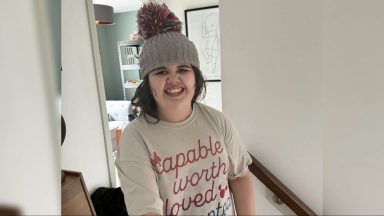
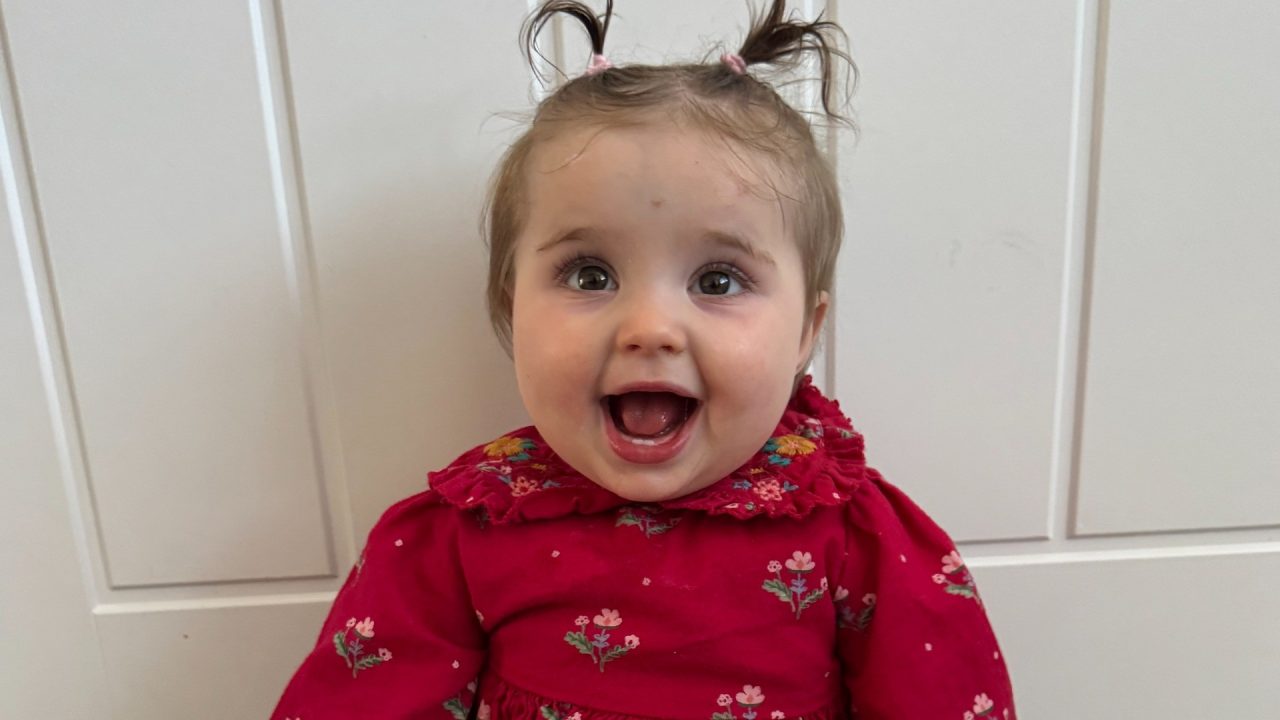
An “absolute warrior” baby who suffered a stroke just hours after being born is celebrating her first birthday.
One of the country’s youngest stroke survivors, Eleanor Sim, spent weeks in intensive care after developing the rare condition shortly after birth.
Eleanor’s family, from Kirkcaldy in Fife, is marking their little girl’s big day with loved ones and a special birthday cake with a purple stroke awareness ribbon.
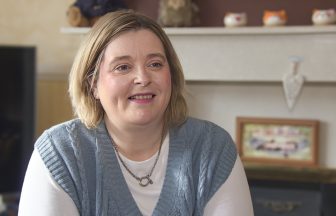
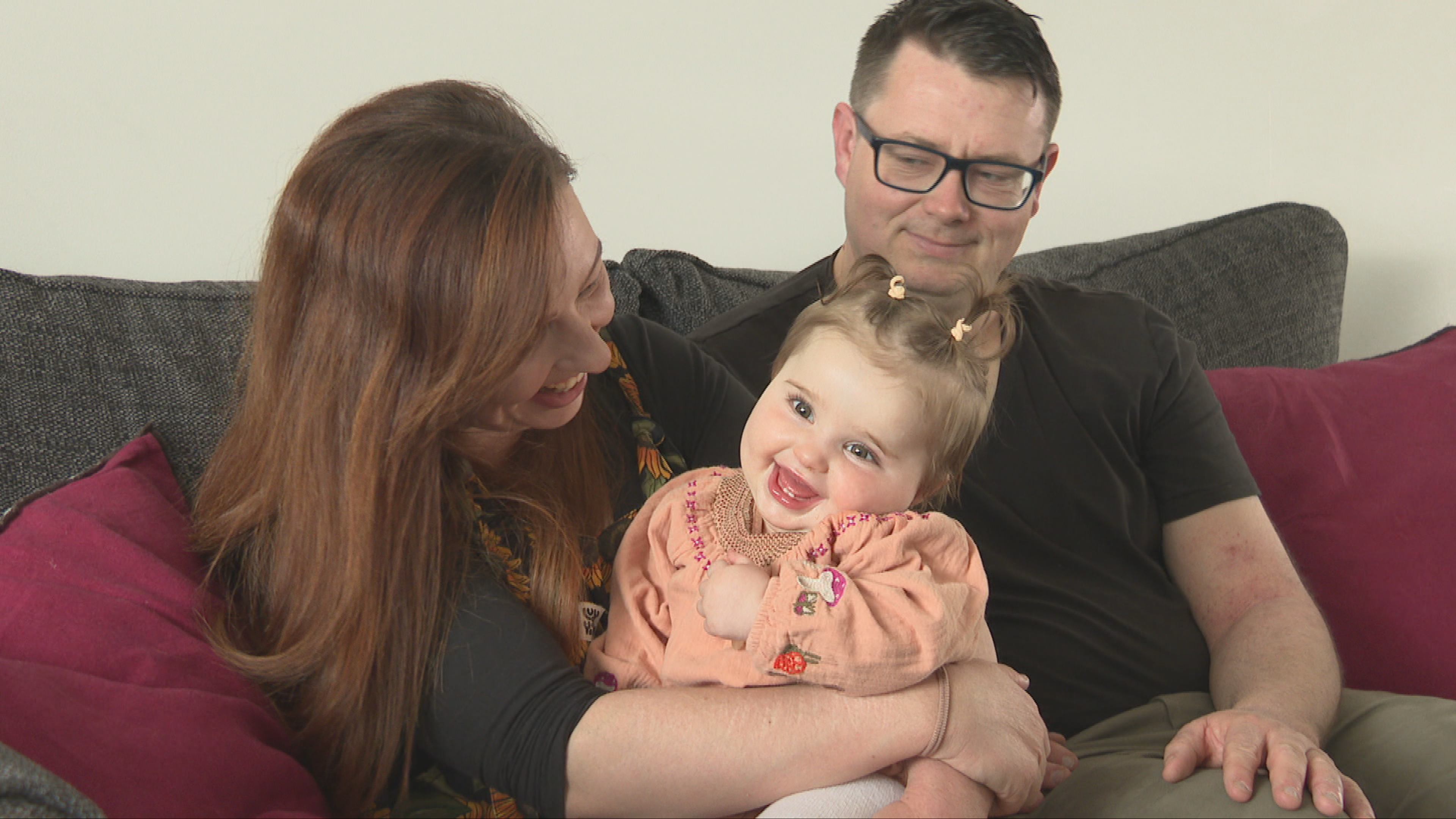
Parents Kimberley and John say their little bundle of joy has defied their expectations over the past year and recalled the moment they learned of the stroke.
“It was a bumpy ride when she was first born,” she told STV News. “She was struggling to breathe a little bit, but we thought everything would be okay.
 STV News
“The following day we noticed she was twitching – we later found out that she was having seizures. It was the next morning things started to go completely pear-shaped.”
Babies can have a stroke in the womb or just after birth.
A critical emergency, a stroke occurs when the blood supply to part of the brain is cut off, depriving brain tissue of vital oxygen and causing cells to die.
Around 400 children suffer a stroke in the UK every year.
A stroke can affect how a child moves, speaks, sees, and swallows. It can also affect learning, memory, behaviour, and mood. Some children have visible physical disabilities, such as reduced movement, while others experience hidden effects such as fatigue, cognitive difficulties, emotional challenges, or pain.
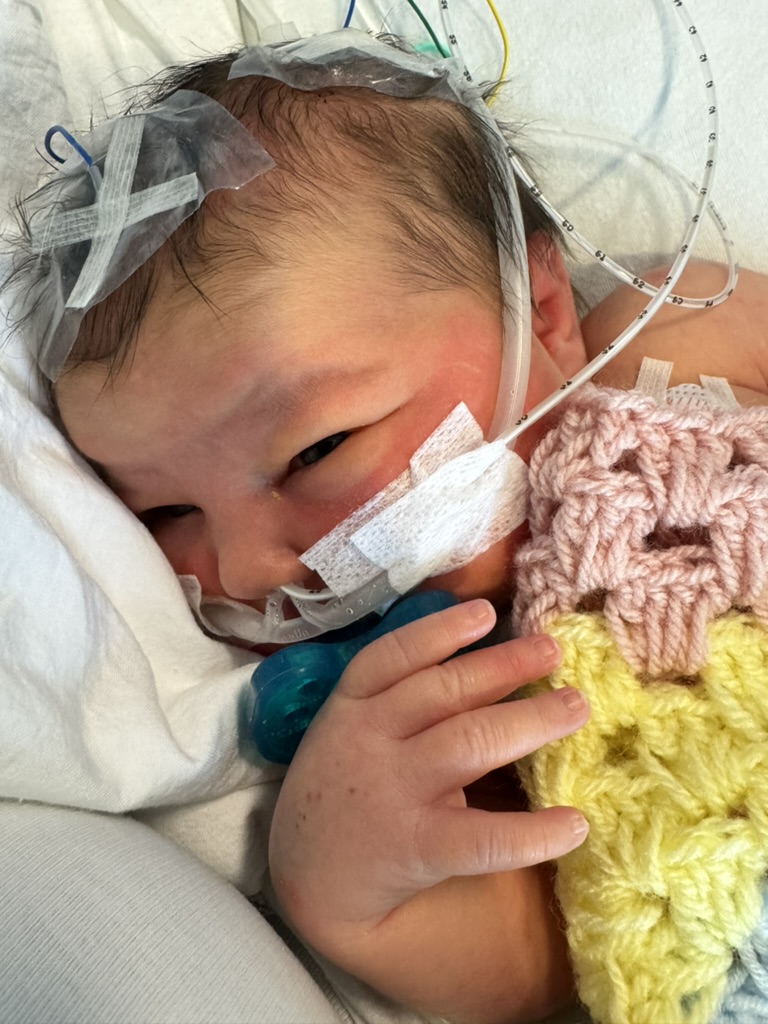
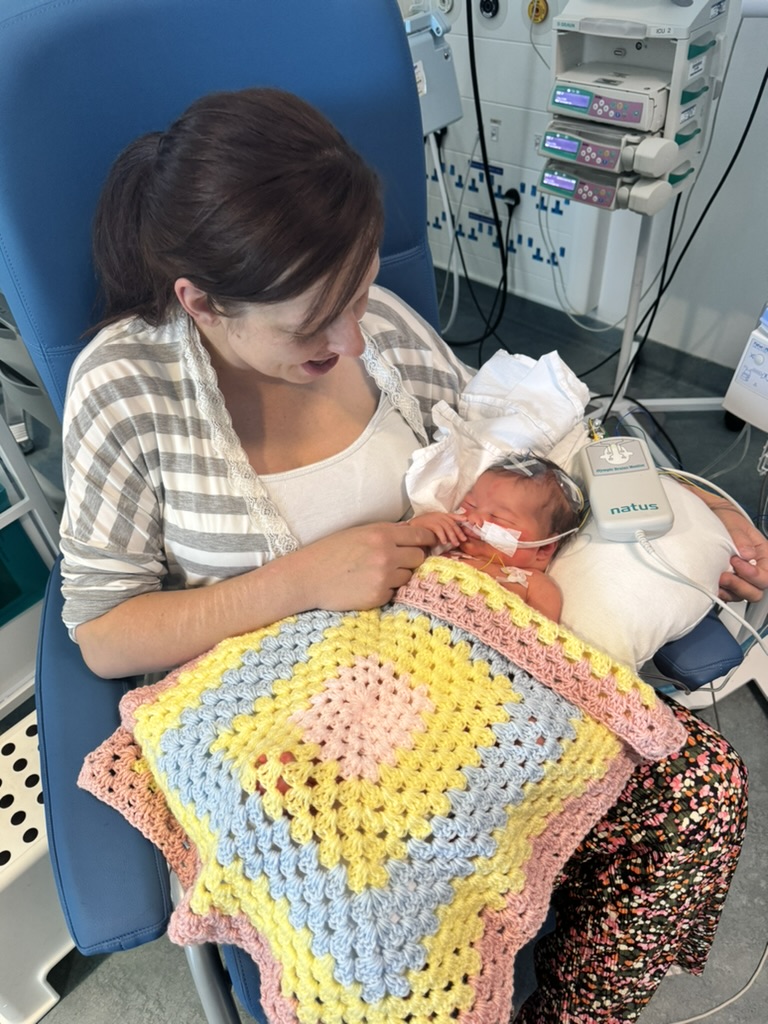
Eleanor had been born by planned caesarean section at 39 weeks and initially required help with her breathing before being moved to neonatal care, where she was said to be doing well and expected to join her mother on the maternity ward.
But the following day her parents noticed twitching, which was later identified as seizures.
 JustGiving
She was rushed to intensive care where she underwent extensive tests, including blood tests, X-rays and a lumbar puncture, before eventually being stable enough for an MRI, where it was revealed she had a stroke.
“We were taken into a room and told there was a stroke in the left-hand side of her brain. I remember being in a state of shock and being really numb.
“That wasn’t something we ever thought would be possible. It was something you associate with older people.”
Eleanor spent two further weeks in hospital before being allowed to go home.
Kimberley says the family had struggled to find tailored support.
“When you’re in the neonatal unit, it does feel like there’s not that support for full-term babies when these rare things happen to them.
“I do think there needs to be awareness that something like this can happen.
“There is an argument that it is rare, something that can’t be prepared for, but there’s always that aftercare you need. It’s always been helpful to speak to other families going through other things.”
 STV News
While Eleanor remains under specialist care at a high-risk clinic, her parents say she has been fighting fit and has achieved her developmental milestones so far.
“She’s an absolute warrior, she takes everything in her stride. She’s incredibly confident and sociable. She loves chatting away to people.
“I think she’ll smash it out the park and grow up to be super strong and healthy.
“There will be question marks over her as she gets older and things will become apparent. It is something we worry about, but as long as she’s happy and as healthy as she can be, then we’ll deal with anything else.”
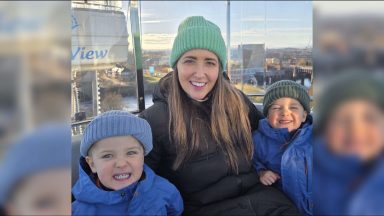
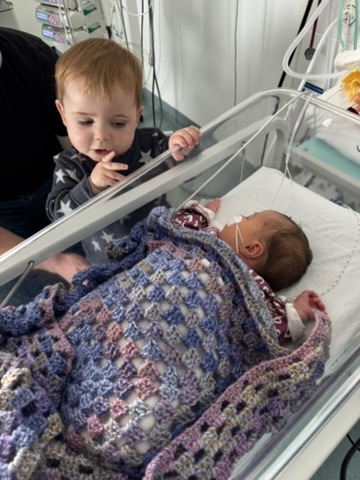
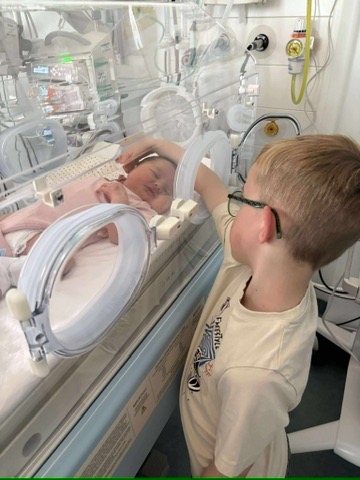
Eleanor especially enjoys playing with her big brothers, two-year-old Arthur and eight-year-old Thomas.
“Her brothers dote on her. They were fantastic in hospital, though it’s a big thing for them to cope with. They love coming in to hold her.”
 STV News
 STV News
Eleanor’s family are appealing to Scots to raise funds for stroke services, including the Stroke Association’s childhood stroke support team.
“We’re asking if people will celebrate her turning one and donate the cost of a birthday card or their daily coffee.
“It doesn’t have to be much, but it does all help.”
Associate director John Watson said: “Every day, a family somewhere is going to have their world absolutely turned upside down from this.
“In some ways a childhood stroke is like any other stroke: it comes on very suddenly with devastating effects and shows up in different ways depending on what part of the brain is affected. Recovery is much more likely if there’s early identification, early treatment, suitable rehabilitations and support afterwards.
“But in some ways it’s different – it’s not common and they don’t think it can happen to children and babies, and may be harder to spot. There isn’t support out there like there would be for other people with stroke, looking for other support networks.
“Our dedicated childhood stroke support team can be a friendly voice at the end of the phone who knows what you’re going through and be supportive and talk through that with you. We can put parents in touch with other parents who have been there, put them in touch with professionals for additional advice and help, and provide information and guidance for nurseries, schools or teachers so they can help provide a supportive environment.
“It’s wonderful the family chose to speak out. Raising awareness isn’t always easy, but they’ve done that to help us. As a charity we’re reliant on donations so we can continue to provide that support.”
Follow STV News on WhatsApp
Scan the QR code on your mobile device for all the latest news from around the country